Life insurance is one of the most important financial tools for protecting your family’s future. It provides financial security, peace of mind, and long-term stability in times of uncertainty. In this article, we’ll explain what life insurance is, how it works, and why it is essential for individuals and families.
What Is Life Insurance?
Life insurance is a legal contract between an individual (policyholder) and an insurance company. Under this contract, the insurer agrees to pay a fixed amount of money, called the sum assured, to the nominee in case of the policyholder’s death during the policy term.
In return, the policyholder pays a regular amount known as a premium (monthly, quarterly, or yearly).
In simple words, life insurance acts as a financial safety net for your loved ones when you are no longer around.
How Does Life Insurance Work?
The working of life insurance is quite simple:
- You choose a life insurance policy based on your needs
- You decide the coverage amount and policy term
- You pay premiums regularly
- In case of your unfortunate death, the insurer pays the sum assured to your nominee
Life insurance policies in India are regulated by Insurance Regulatory and Development Authority of India (IRDAI), which ensures transparency and policyholder protection.
Types of Life Insurance Policies
There are different types of life insurance policies available to meet different financial goals:
1. Term Life Insurance
- Pure protection plan
- Offers high coverage at low premium
- No maturity benefit if the policyholder survives the term
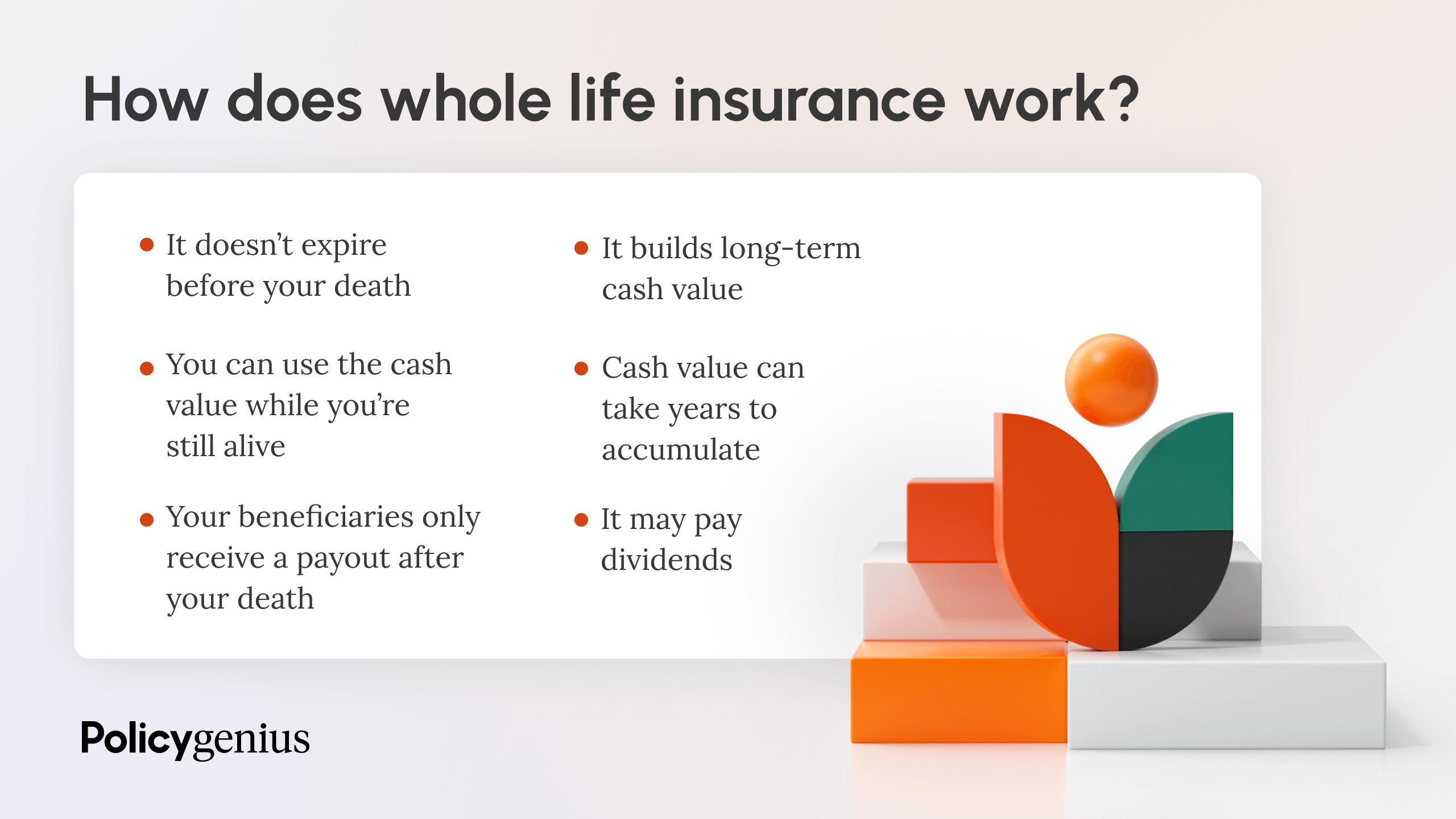
2. Whole Life Insurance
- Provides coverage for the entire lifetime
- Includes savings and investment components
3. Endowment Plans
- Combines insurance and savings
- Pays maturity benefits if the policyholder survives the term
4. ULIPs (Unit Linked Insurance Plans)
- Offers life cover along with market-linked investments
- Suitable for long-term wealth creation
Why Is Life Insurance Important?
Life insurance plays a crucial role in financial planning. Here’s why it is important:
1. Financial Security for Family
Life insurance ensures that your family can manage daily expenses, education costs, and loans even in your absence.
2. Income Replacement
If you are the primary earner, life insurance replaces your income and helps your dependents maintain their standard of living.
3. Debt Protection
The payout can be used to repay home loans, personal loans, or other liabilities, preventing financial stress for your family.
4. Long-Term Savings & Wealth Creation
Some life insurance plans help you build wealth over time while offering insurance protection.
5. Tax Benefits
Life insurance premiums and maturity benefits often qualify for tax deductions and exemptions under income tax laws.
6. Peace of Mind
Knowing that your loved ones are financially protected gives mental peace and confidence about the future.
Who Should Buy Life Insurance?
Life insurance is important for:
- Young professionals starting their careers
- Married individuals
- Parents with dependent children
- Self-employed professionals
- Anyone with financial dependents or liabilities
The earlier you buy life insurance, the lower the premium you usually pay.
How Much Life Insurance Coverage Do You Need?
Your life insurance coverage should ideally cover:
- Annual income × 10–15 times
- Outstanding loans and liabilities
- Children’s education and marriage expenses
- Future household expenses
Choosing the right coverage ensures complete financial protection.
Final Thoughts
Life insurance is not just a policy—it is a promise of financial security for your loved ones. Whether you are young or experienced, single or married, having life insurance is a smart and responsible financial decision. It protects your family, supports long-term goals, and offers peace of mind in an uncertain world.
Invest in life insurance today to secure tomorrow.