Insurance portability is one of the most consumer-friendly features in the insurance sector. It allows policyholders to switch from one insurance policy to another—usually from one insurer to another—without losing accumulated benefits such as waiting periods or continuity advantages.
In this article, we’ll explain what insurance portability is, why it matters, and how you can switch policies step by step, all in a simple and SEO-friendly way.

What Is Insurance Portability?
Insurance portability is the right given to policyholders to transfer their existing insurance policy to a new insurer or plan while retaining benefits like:
- Waiting period credits
- No Claim Bonus (NCB) or continuity benefits
- Coverage for pre-existing diseases (subject to rules)
In India, insurance portability is mainly applicable to health insurance policies and is regulated by Insurance Regulatory and Development Authority of India.
Why Is Insurance Portability Important?
Many people stick to the same insurer for years, even when service quality or coverage becomes unsatisfactory. Insurance portability gives you freedom of choice.
Key Benefits of Insurance Portability
- ✔ No loss of waiting period benefits
- ✔ Option to upgrade coverage
- ✔ Better customer service options
- ✔ Competitive premium rates
- ✔ Improved claim settlement experience
Types of Insurance Where Portability Is Allowed
Primarily, portability applies to:
🏥 Health Insurance
- Individual health insurance plans
- Family floater health insurance
- Group health insurance (to individual plans)
⚠️ Life insurance and motor insurance do not offer full portability like health insurance.
When Should You Switch Your Insurance Policy?
You should consider switching policies if:
- Your premium is increasing every year
- Coverage is insufficient
- Claims are frequently rejected
- Network hospitals are limited
- Customer support is poor
How to Switch Insurance Policies – Step-by-Step Guide
Step 1: Choose the New Policy
Compare plans based on:
- Coverage amount
- Waiting periods
- Network hospitals
- Premium and sub-limits
Step 2: Apply at the Right Time
You must apply for portability at least 45 days before renewal of your existing policy.
Step 3: Submit Portability Request
Fill out the portability form and submit:
- Proposal form
- Existing policy details
- Claim history
Step 4: Data Sharing Between Insurers
Your current insurer will share medical and policy data with the new insurer through the IRDAI portal.
Step 5: Medical Underwriting
The new insurer may ask for:
- Medical tests (if required)
- Additional documents
Step 6: Approval & Policy Issuance
Once approved, pay the premium and receive your new policy with continuity benefits intact.
Documents Required for Insurance Portability
- Existing policy copy
- Renewal notice
- Claim history
- KYC documents
- Medical reports (if requested)
Important Rules You Must Know
- Waiting period benefits are carried forward only up to the existing sum insured
- Enhanced coverage may have fresh waiting periods
- Portability is allowed only at renewal
- Insurers are not forced to accept all portability requests
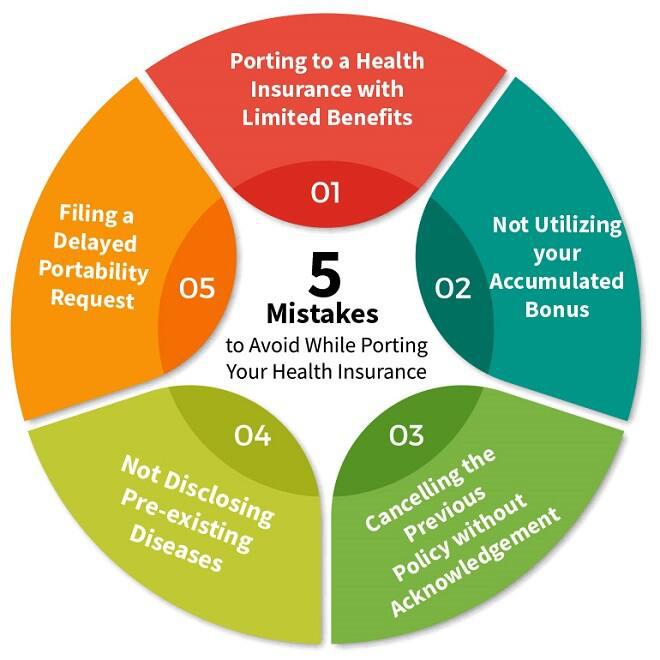
Common Mistakes to Avoid While Switching Policies
- ❌ Applying after the 45-day deadline
- ❌ Not disclosing past illnesses
- ❌ Choosing cheaper plans without checking coverage
- ❌ Ignoring policy exclusions
Insurance Portability vs Buying a New Policy
| Feature | Portability | New Policy |
|---|---|---|
| Waiting Period | Retained | Starts fresh |
| Premium | May increase | Depends on age |
| Coverage | Flexible | New terms apply |
| Medical History | Considered | Fully reassessed |
Final Thoughts
Insurance portability empowers you to upgrade your insurance without starting from scratch. By understanding the rules and following the right process, you can switch to a better policy while retaining your hard-earned benefits.
Before making the move, always compare policies carefully, read the fine print, and apply well before the renewal date.
Frequently Asked Questions (FAQs)
Q1. Can I switch insurers without losing waiting period benefits?
Yes, portability allows you to carry forward waiting period credits.
Q2. Is medical testing mandatory?
Not always. It depends on age, medical history, and the new insurer’s underwriting rules.
Q3. Can I increase my sum insured while porting?
Yes, but the increased portion may have a fresh waiting period.