Freelancing offers freedom, flexibility, and control over your career—but it also comes with risks. Unlike salaried employees, freelancers don’t receive employer-provided benefits such as health insurance or liability coverage. That’s where insurance for freelancers becomes essential. The right insurance policies can protect your income, health, reputation, and business from unexpected setbacks.
In this guide, we’ll explain what freelancer insurance is, why it’s important, and which types of insurance every freelancer should consider.

What Is Insurance for Freelancers?
Insurance for freelancers refers to a set of policies designed to protect self-employed professionals from financial loss due to accidents, illness, legal claims, or business disruptions. Whether you’re a writer, designer, developer, consultant, or digital marketer, insurance helps you manage risks that could otherwise threaten your livelihood.
Why Freelancers Need Insurance
Many freelancers believe insurance is only for big businesses—but that’s a costly misconception. Here’s why insurance is crucial for freelancers:
- No employer protection – You are fully responsible for medical bills, legal issues, and income loss
- Client-related risks – Errors, delays, or disputes can lead to legal claims
- Health emergencies – Illness or accidents can stop your income instantly
- Asset protection – Equipment, laptops, and home offices are vulnerable
Insurance ensures peace of mind so you can focus on growing your freelance career.
Types of Insurance Every Freelancer Should Consider
1. Professional Liability Insurance (Errors & Omissions)
This insurance protects you if a client claims your work caused them financial loss due to mistakes, negligence, or missed deadlines.
Best for:
- Consultants
- Designers
- Developers
- Content creators
2. General Liability Insurance
Covers third-party injuries or property damage. For example, if a client gets injured during a meeting at your home office.
Best for:
- Freelancers meeting clients in person
- Event-based or field freelancers
3. Health Insurance
Medical emergencies can drain savings quickly. Health insurance covers hospitalization, treatments, and sometimes critical illnesses.
Tip: Choose plans with cashless hospitals and adequate coverage.
4. Personal Accident Insurance
Provides financial support in case of accidental injury, disability, or death. It ensures income protection even if you can’t work temporarily.
5. Cyber Insurance
If you handle client data, payments, or online systems, cyber insurance protects against data breaches, hacking, and cyber fraud.
Best for:
- IT freelancers
- Digital marketers
- Online consultants
6. Equipment & Home Office Insurance
Covers loss or damage to laptops, cameras, tools, and office equipment due to theft, fire, or natural disasters.
How to Choose the Right Insurance as a Freelancer
When selecting insurance, keep these factors in mind:
- Nature of your freelance work
- Client requirements or contracts
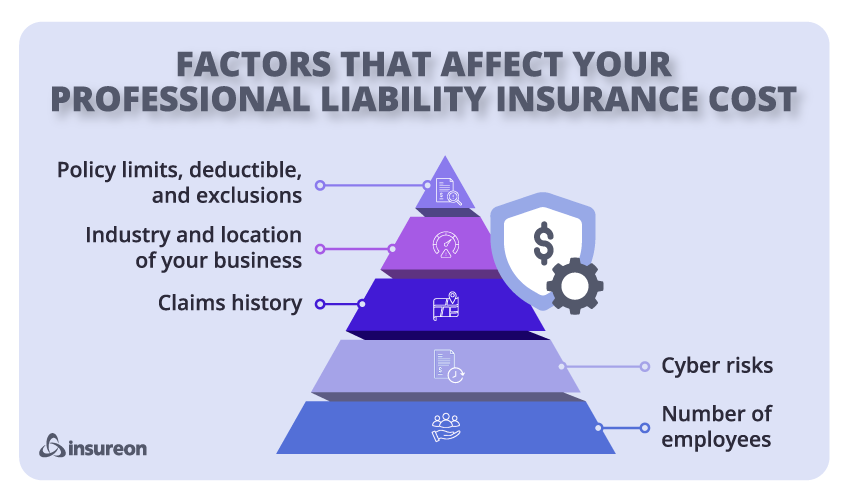
- Budget and premium affordability
- Coverage limits and exclusions
- Claim settlement ratio of insurer
Comparing policies online can help you find the best coverage at competitive prices.
Benefits of Freelancer Insurance
- Financial security during emergencies
- Increased credibility with clients
- Compliance with international client contracts
- Stress-free work environment
- Long-term career stability
Common Myths About Freelancer Insurance
- “It’s too expensive” – Many plans are affordable and customizable
- “I don’t need it yet” – Risks don’t come with warnings
- “Only big businesses need insurance” – Freelancers face risks too
Final Thoughts
Insurance for freelancers is not an expense—it’s an investment in your future. From health coverage to professional liability protection, the right insurance policies can safeguard your income, reputation, and peace of mind. As freelancing continues to grow, being insured is a smart and professional move.
If you’re serious about your independent career, start exploring freelancer insurance today and protect what you’ve worked so hard to build.