In today’s digital-first world, businesses rely heavily on technology, data, and online systems. While this dependence improves efficiency and growth, it also exposes organizations to cyber risks such as data breaches, ransomware attacks, phishing scams, and system failures. This is where Cyber Insurance becomes essential.
Cyber insurance is no longer optional—it is a critical risk management tool for businesses of all sizes, from startups to large enterprises.
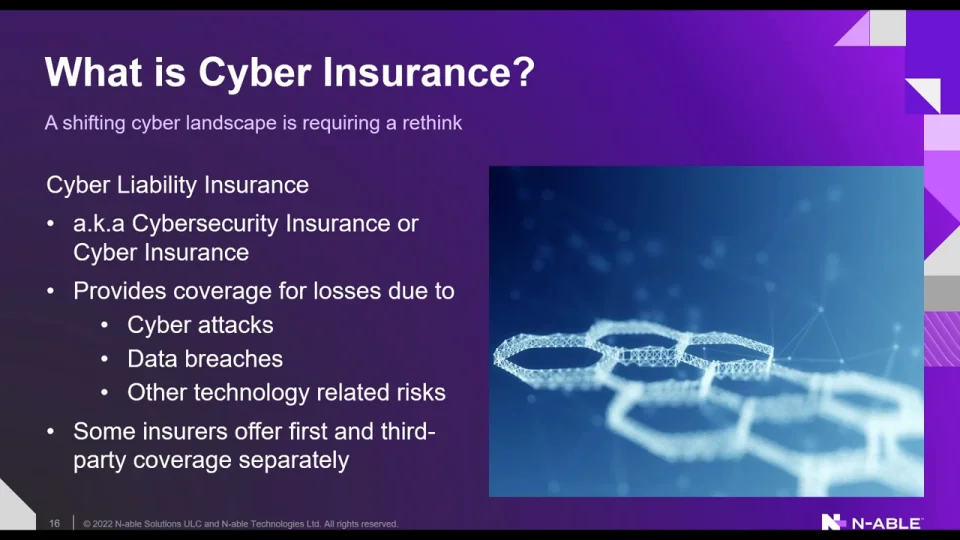
What Is Cyber Insurance?
Cyber insurance (also known as cyber liability insurance) is a policy designed to protect businesses against financial losses caused by cyber incidents. These incidents may include hacking, malware attacks, data theft, accidental data leaks, or denial-of-service attacks.
The policy helps cover:
- Costs related to data breaches
- Legal expenses and regulatory fines
- Business interruption losses
- Customer notification and credit monitoring
- Cyber extortion and ransomware payments
Why Cyber Insurance Is Important
1. Rising Cybercrime Threats
Cybercrime is increasing every year. Hackers are targeting not only large corporations but also small and medium-sized businesses because they often lack strong security systems. A single cyberattack can cause massive financial and reputational damage.
Cyber insurance acts as a financial safety net when preventive measures fail.
2. High Cost of Data Breaches
The cost of recovering from a cyberattack can be overwhelming. Expenses may include:
- IT forensic investigations
- Data recovery
- Legal defense costs
- Regulatory penalties
- Customer compensation
Without cyber insurance, these costs must be paid out of pocket, which can severely impact cash flow or even force a business to shut down.
3. Protection Against Legal and Regulatory Risks
Data protection laws and regulations are becoming stricter worldwide. If customer data is compromised, businesses may face lawsuits, penalties, or compliance investigations.
Cyber insurance helps cover:
- Legal fees
- Settlements and judgments
- Regulatory fines (where legally allowed)
This protection is especially important for companies handling sensitive personal or financial data.
4. Coverage for Business Interruption
Cyberattacks can shut down websites, servers, or payment systems for days or weeks. This downtime directly affects revenue and customer trust.
Cyber insurance compensates for:
- Loss of income during downtime
- Extra expenses required to resume operations
This ensures business continuity even after a major cyber incident.
5. Ransomware and Cyber Extortion Support
Ransomware attacks are among the fastest-growing cyber threats. Hackers encrypt business data and demand payment to restore access.
Cyber insurance may cover:
- Ransom payments (as permitted by law)
- Negotiation support with cybercriminals
- Costs of data restoration and system recovery
Many policies also provide access to expert incident response teams.
Who Needs Cyber Insurance?
Cyber insurance is important for any organization that uses computers, stores data, or operates online, including:
- Small and medium businesses
- E-commerce companies
- IT and software firms
- Healthcare providers
- Financial institutions
- Educational institutions
- Freelancers and consultants handling client data
Even businesses with strong cybersecurity measures can benefit from cyber insurance as a backup plan.
What Does Cyber Insurance Typically Cover?
First-Party Coverage
- Data recovery and restoration
- Business interruption losses
- Cyber extortion and ransomware
- Incident response and forensic investigation
Third-Party Coverage
- Legal liability for data breaches
- Customer notification costs
- Regulatory defense and penalties
- Media liability (defamation, copyright issues)
Coverage may vary by insurer, so policy wording should always be reviewed carefully.
What Cyber Insurance Does Not Cover
While cyber insurance offers broad protection, it has limitations:
- Poor security practices or negligence
- Known vulnerabilities not addressed by the business
- Acts of war or nation-state attacks (in some policies)
- Intentional illegal acts
Maintaining basic cybersecurity hygiene is still essential.
How to Choose the Right Cyber Insurance Policy
When selecting a cyber insurance policy, consider:
- Size and nature of your business
- Type of data you store (personal, financial, medical)
- Existing cybersecurity measures
- Policy coverage limits and exclusions
- Access to incident response services
Working with an experienced insurance advisor can help tailor the right coverage.
Cyber Insurance and Risk Management
Cyber insurance should not replace cybersecurity—it should complement it. A strong risk management strategy includes:
- Regular security audits
- Employee cybersecurity training
- Data backup and recovery plans
- Firewalls and antivirus software
- Cyber insurance coverage
Together, these measures reduce both the likelihood and impact of cyber incidents.